THE IMPORTANCE OF FREQUENT BANK RECONCILIATIONS
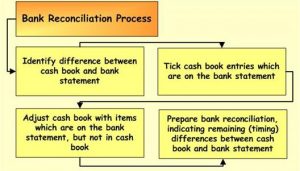
A bank reconciliation is a process of comparing your entity’s accounting records to the bank statements.
The goal of this process is to determine if there are any discrepancies between your accounting records and your bank records and to resolve any differences sooner rather than later. This is important seeing as it can help you identify problems before they get out of hand. Even a 1c difference should be sorted out seeing as it can, later on, cause problems in your accounting records.
It is important to do a bank reconciliation on a regular basis. For smaller entities, it is advisable to do a reconciliation on a monthly basis seeing as this can help you identify any unusual transactions that might be caused by fraud or accounting errors.
It is important to go through each transaction individually, making sure the amounts match perfectly. Nowadays if you have a proper accounting system a bank reconciliation can be done in a few seconds seeing as the system automatically matches the entries made from the bank statements into the system. However, of your accounts does not reconcile you need to go through each transaction to determine where the error is. Mostly it is simply a typing error which could be easily fixed.
DO NOT reconcile your accounts if there are any differences except if there are valid reasons for the differences for example timing differences between what has been recorded in the accounting records and when the amount paid or received has been cleared on the bank statement. These reconciling items need to be listed and cleared in the following month’s reconciliation.
Always keep a record of all your bank reconciliations as this is a key control procedure in your system and if your records are audited the auditors will always request them.